What Roof Cleaning Actually Removes
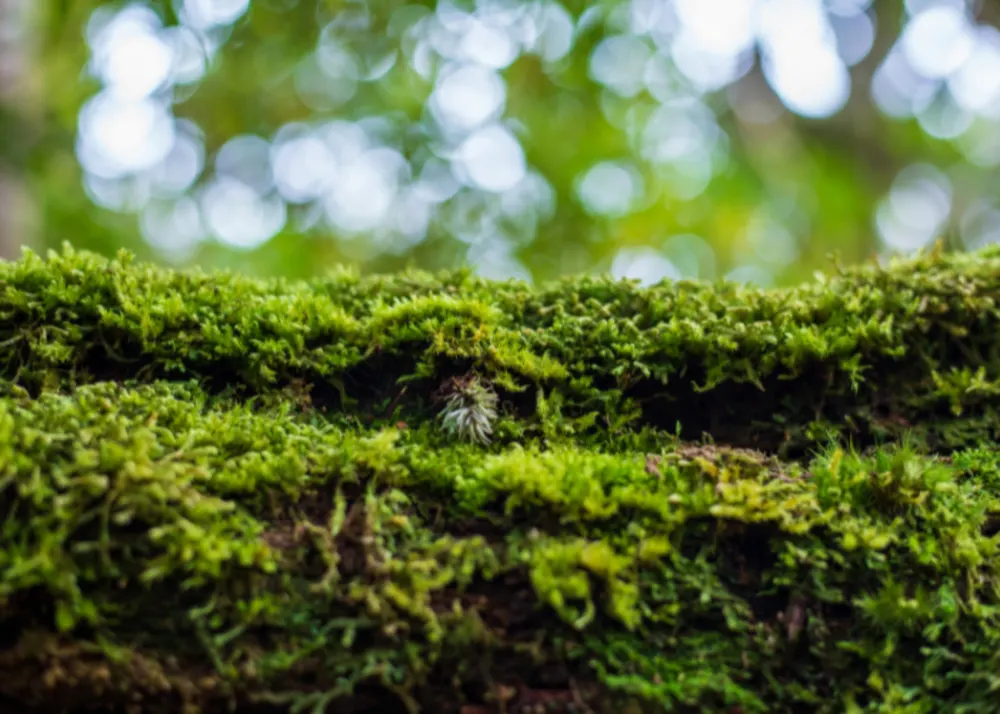
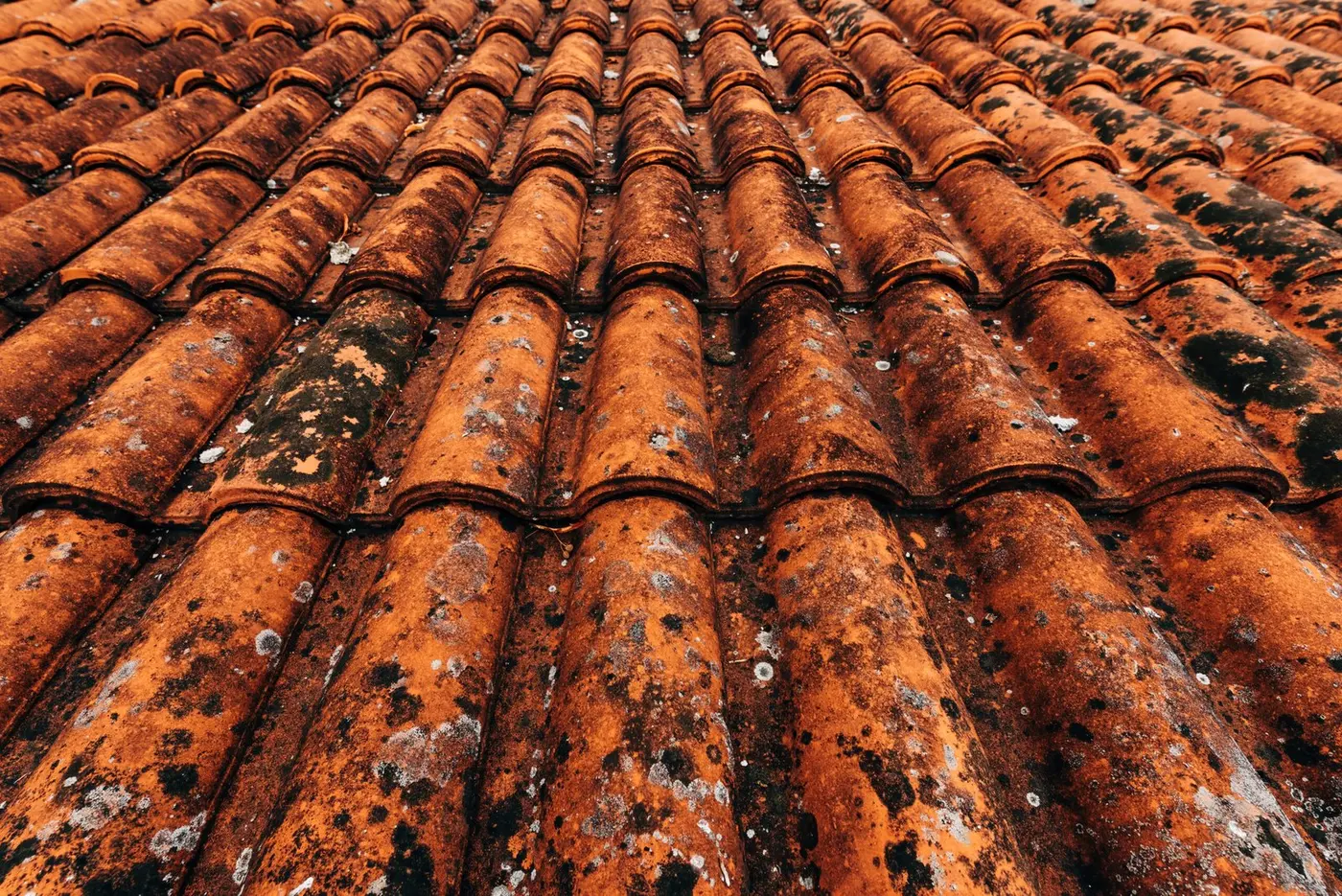
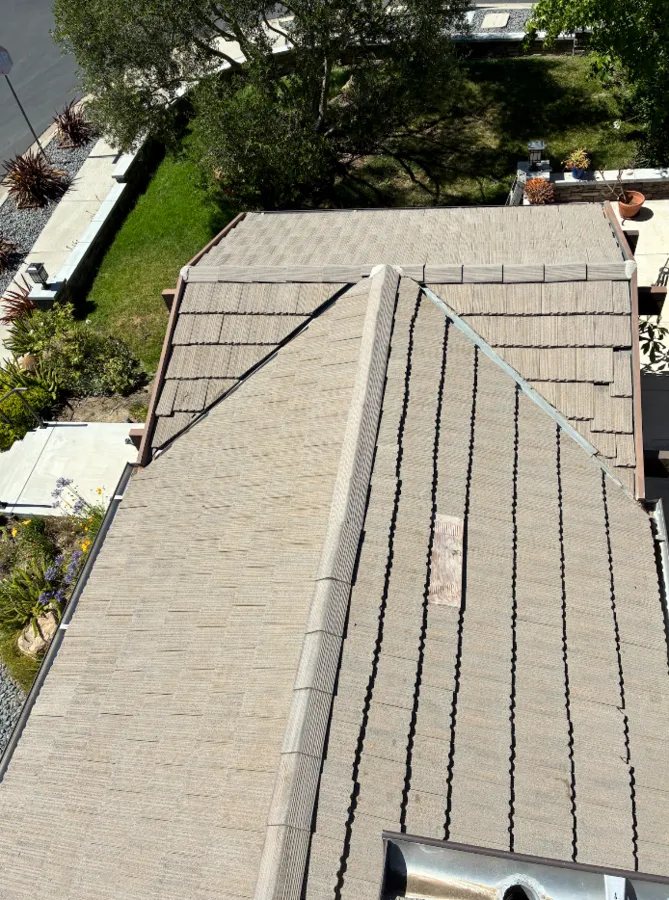
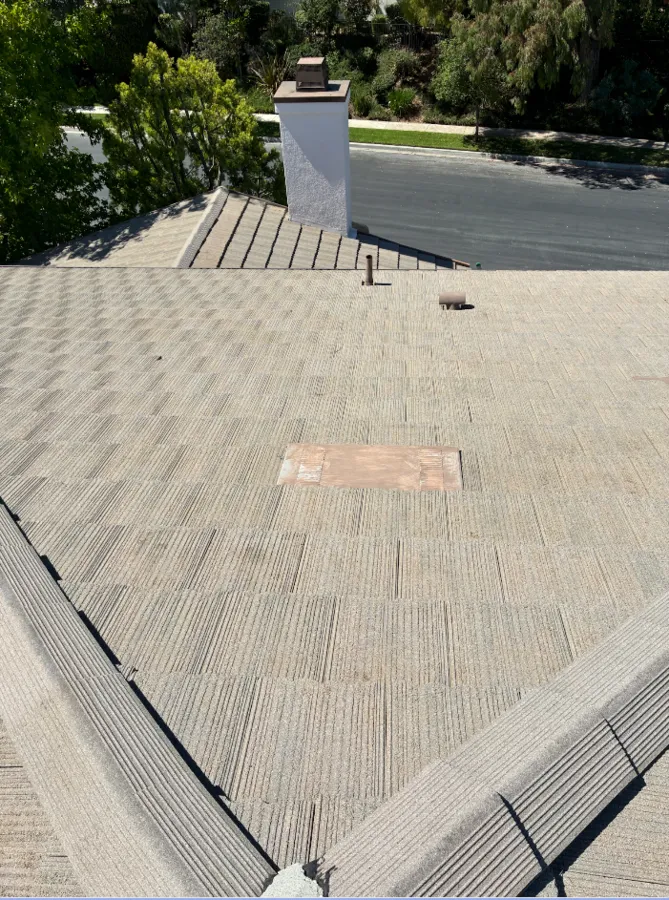
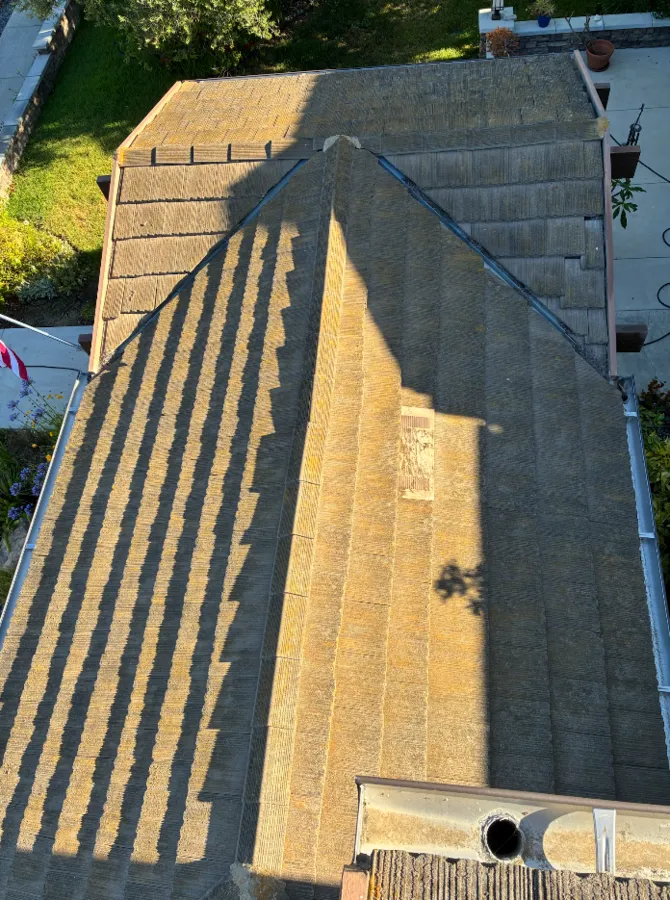
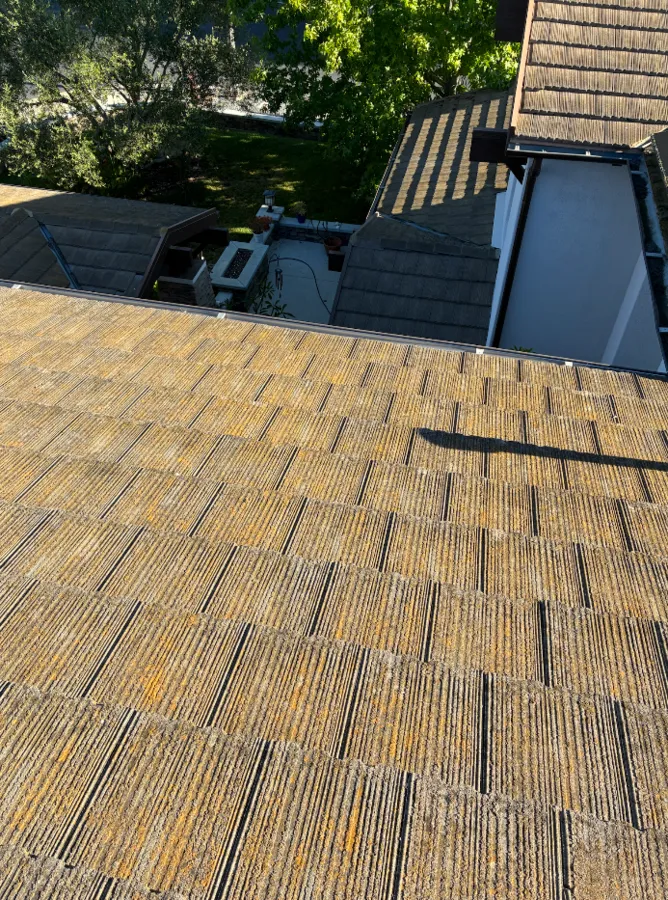
Three different organisms grow on Ventura County roofs and they do not respond to the same treatment. The dark vertical streaking that runs down a north-facing slope is a cyanobacteria known in the roofing trade as Gloeocapsa magma, and it feeds on the limestone filler in asphalt shingle. Moss is a plant, anchored into the surface by root-like rhizoids that survive anything that only cleans what is visible. Lichen is a fungus and an alga living together, and it bonds chemically to tile and shingle, which is why scraping it off takes surface material with it.
All three hold moisture against roofing material that was designed to shed water and dry out. According to the Asphalt Roofing Manufacturers Association (ARMA), biological growth is one of the leading causes of premature roof failure, and the National Roofing Contractors Association estimates that regular maintenance including moss and algae removal can extend roof lifespan by up to 25 percent. In a county where roof replacement runs roughly $8,500 to $16,000 (HomeAdvisor, 2025), that deferral is the whole financial argument for cleaning.